

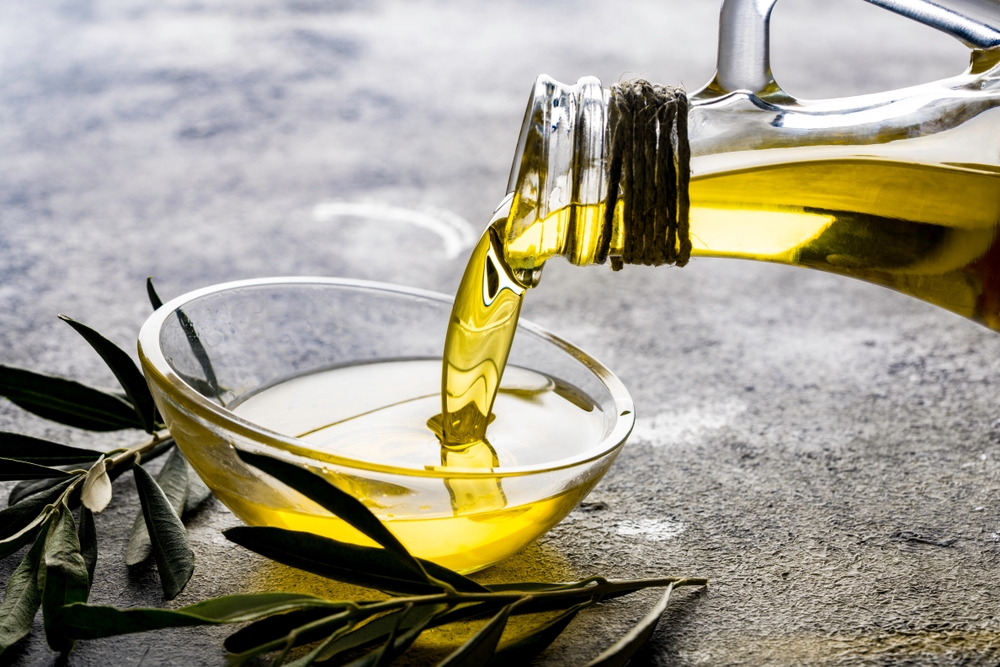
A better season is expected
Positive news came from the world’s largest olive oil producer, Spanish company Deoleo. According to CEO Cristóbal Valdés, the market has entered a new phase that should bring greater stability and put an end to the exceptionally turbulent period between 2022 and 2024. More favorable weather conditions contributed to this conclusion, particularly improved rainfall in major producing countries, including Spain. As a result, a higher-quality harvest is expected, which could naturally lead to a more balanced global supply. More stable deliveries also bring greater certainty across the entire value chain, from growers and processors to traders. According to Deoleo, this could create an environment with a more predictable price development and support household demand, as consumers reduced their purchases of liquid gold during the period of record prices. Deoleo itself has already recorded sales growth in several key markets, such as the United States, according to CNBC.
The years that changed the market
The current optimism comes after one of the most challenging periods, when Southern Europe experienced extreme heatwaves and a lack of rainfall between 2022 and 2024, which significantly damaged olive harvests. Spain, which accounts for more than 40% of global olive oil production and approximately two-thirds of European Union production, was affected the most. For illustration, under normal circumstances, the country was capable of producing nearly 1.5 million tonnes of oil, but during the 2022/2023 season this level fell to just 660 thousand tonnes. Market tensions were further intensified by low stocks from previous years. The International Olive Council states that during the mentioned season, EU production fell by almost 40% to 1.39 million tonnes compared with the previous season, while unfavorable conditions continued into the following season. This was accompanied by higher energy costs and persistent market uncertainty. Several analysts described the development at the time as unprecedented, while growers warned that repeated harvest losses threatened the economic sustainability of the sector.
Prices are returning closer to normal
The recovery in production is already bringing the first results, as the price of olive oil has recorded a significant decline. While 2024 brought extra virgin olive oil prices to a record level of almost EUR 10 per kilogram, the European Commission, according to the latest data, reports a decline to EUR 3.9 per kilogram. The change can also be seen in consumer prices, where according to Eurostat, olive oil prices in the EU have increased by 78% since 2022, while 2025 marked the first decline in the last four years. Average prices in the EU decreased by 23% year-on-year, with the most significant decline recorded in Spain, followed by Greece and Portugal. Despite the improvement, experts warn that more stable prices do not yet mean the end of volatility, and olive production remains largely dependent on weather conditions.
Climate continues to shake commodity markets
While the situation on the olive oil market is improving, analysts are pointing to new climate risks. The World Meteorological Organization expects a strong El Niño phenomenon to develop over the tropical Pacific during the summer, bringing higher temperatures, periods of drought and intense rainfall in different parts of the world. Although it is a recurring weather phenomenon, analysts say financial markets still underestimate the impact of similar climate events on agricultural commodity prices. Hot weather is already taking its toll, and according to French bank Société Générale, prices have increased by 7% since June, while prices of some soft commodities have jumped by 8% in recent days. According to analysts’ statements to CNBC, yields of some crops could decline by as much as 12% in affected regions. Bank of America also warns that Europe is warming faster than any other continent, which is becoming a long-term problem. Crops particularly vulnerable are those sensitive to high temperatures during flowering and ripening. Analysts therefore expect such weather conditions to have an increasingly significant impact on commodity markets, with higher volatility remaining the common denominator. [2]
[1,2] Forward-looking statements are based on assumptions and current expectations that may prove inaccurate, or on the current economic environment, which may change. Such statements do not constitute a guarantee of future performance. They involve risks and other uncertainties that are difficult to predict. Results may differ substantially from those expressed or implied in any forward-looking statements.
This text represents marketing communication. It does not constitute any form of investment advice or investment research, nor an offer of any transaction involving a financial instrument. The content of the text does not take into account the individual circumstances, experience or financial situation of readers. Past performance is not a guarantee or prediction of future results.


.svg)
.svg)